






After latest college basketball gambling controversy, there's one clear takeaway
Whichever way sports betting goes in the U.S., this is for sure: We wanted it, we got it and we deserve all the consequences.
At the end of the 70-page gambling indictment delivering another gut punch to college basketball, each allegation more sordid than the last, the overwhelming takeaway is that we did this to ourselves.
No, we didn’t place the six-figure wagers on mid- and low-major college basketball games that drew suspicion from authorities. We weren’t the players who allegedly agreed to fix games for tens of thousands of dollars. Those are individual decisions to break the law, stain college basketball and shake the public’s trust.
But as a society?
We asked for this. You bet we did.
Nearly eight years ago, when the U.S. Supreme Court struck down the Professional and Amateur Sports Protection Act — the law that essentially limited sports gambling to Nevada — many of us celebrated. If you could bet on sports at a Las Vegas casino, why shouldn’t you be able to do it in similar establishments in New Jersey, Mississippi or Ohio?
It seemed like a win for freedom and common sense, not to mention the casino operators ready to get their claws into new clientele.
And what exactly did the rest of us win?
We won a never-ending deluge of ads for online sportsbooks. We won a generation of young gambling addicts who are ill-equipped, emotionally and financially, to handle losing money on long-shot parlays. We won a disgraceful level of harassment, both in person at games and online, from fans toward athletes who didn’t help them cash their bets. And we won a subculture of people like the six defendants in this indictment who preyed on young basketball players from low-profile teams that saw their peers cashing in on name, image and likeness deals and became tempted by the promise of easy money.
In other words, we lost something too. Maybe a lot.
The sheer amount and availability of gambling has probably become too much. The frictionless experience of firing up an app on your phone and being able to bet on anything at any time has become way too easy. And the trade-offs for making gambling so widely available are now apparent. When PASPA fell, eventually bringing sports gambling to 39 states, we didn’t flip a switch as much as we touched a stove.
You can educate young athletes about the dangers of match-fixing, warn them to stay away from gamblers and even show examples of lost eligibility and legal trouble for those who fell into the trap. It doesn’t matter. Put enough money in front of people, and some are inevitably going to think they can get away with it.
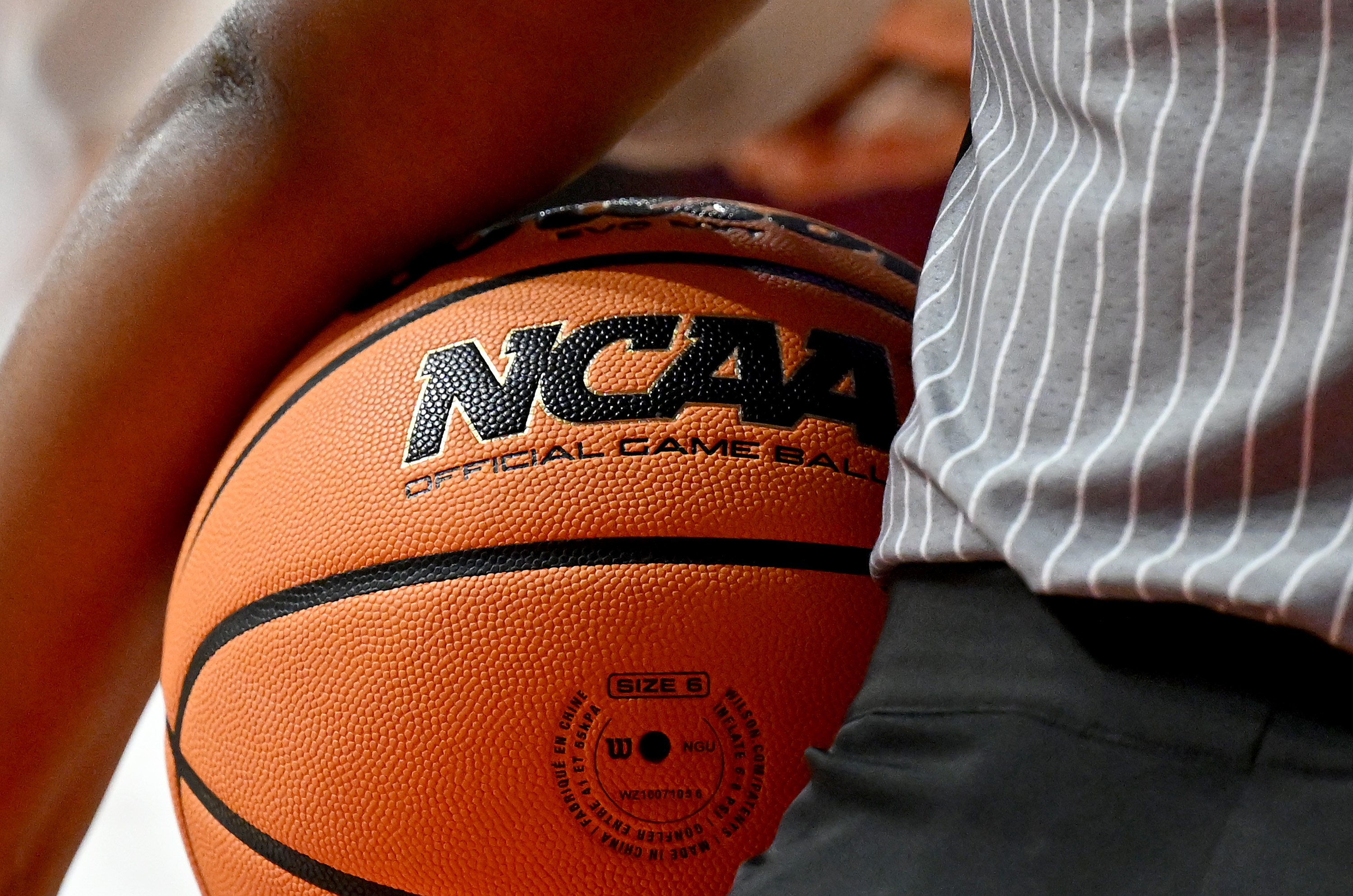
It’s our fault. We opened the floodgates and let it happen. And if we’re going to continue as a country where gambling is available almost anywhere, we have to accept that an occasional scandal is going to be part of the deal.
Is that worth the trade-off? Perhaps.
Sports gambling is pervasive in plenty of other countries, and match-fixing scandals have popped up in almost every sport across nearly every inch of the globe. In the UK, where you are likely to pass a handful of betting parlors on any decent city walk, there has been a recent push for regulatory reform but no real movement to shut it all down. It will likely be the same on our side of the Atlantic. Too many people are making too much money to go backwards.
But the uniqueness of American college sports is a real vulnerability.
College basketball is popular enough that sportsbooks can reasonably offer and profit from bets on lower-level games and player props. They are simply meeting demand. At this point, however, it’s impossible to deny the vulnerability of college athletes, particularly those at smaller schools.
It’s not a coincidence that the match-fixers in this indictment started with Chinese Basketball Association players before targeting players at Nicholls State, Tulane, Northwestern State, Saint Louis, LaSalle, Fordham, Robert Morris, Southern Miss, DePaul, North Carolina A&T, Coppin State, New Orleans, Kennesaw State, Eastern Michigan and Abilene Christian.
They’re all colleges with athletes who weren’t making much, if anything, from NIL. Schools where few people would be paying attention. Games that wouldn’t be on anyone’s radar. Often they focused on first-half lines, presumably to convince skeptical players that it wouldn’t be completely unethical to tank a first half if they could play to their full ability in the second. For someone who sees friends and former teammates signing huge NIL deals at more prominent schools, it must have been hard to say no when the fixers were texting photos with stacks of cash.
Of course, the argument in favor of the current legal gambling environment is that they got caught. The unusual amounts of money being bet on low-interest games triggered inquiries, which led to 20 people — including former NBA player Antonio Blakeney — being charged in the scheme. That’s how it’s supposed to work.
As a result, the issue is presented as an A or B choice: Is it better to have pervasive legal gambling with a system that can detect suspicious activity, or would you rather go back to the days when difficult-to-trace money was being gambled on the black market? After all, we had point-shaving and match-fixing scandals in college sports long before it was legal nearly everywhere.
We should probably treat that as an open question, a still-evolving conversation. This indictment covers 29 compromised games over two seasons in which there were more than 12,000 college basketball games played.
Is that too many to stomach? Is it about what you’d expect? Or is it just the tip of the iceberg for a set of problems we’re going to deal with for years to come?
The answer is in the eye of the beholder, but it would be foolish to assume this is the last time we’ll see an indictment where a bunch of college athletes were recruited to fix games.
The hope, at least from an NCAA standpoint, is that states will move to limit prop bets on college games and the fallout from federal investigations will scare everyone straight. If both of those things happen, maybe college sports will have a fighting chance to stay as honest and fair as we’d want them to be.
But whatever course history takes in the first decade of widespread legal sports gambling in the U.S., we must understand that it’s all the product of choices we made as a society to bring it into our lives.
We wanted it, we got it and the consequences are there for all to see.
What's Your Reaction?