
Pieces of Halley's comet will be visible in all 50 states — if the moon doesn't get in the way
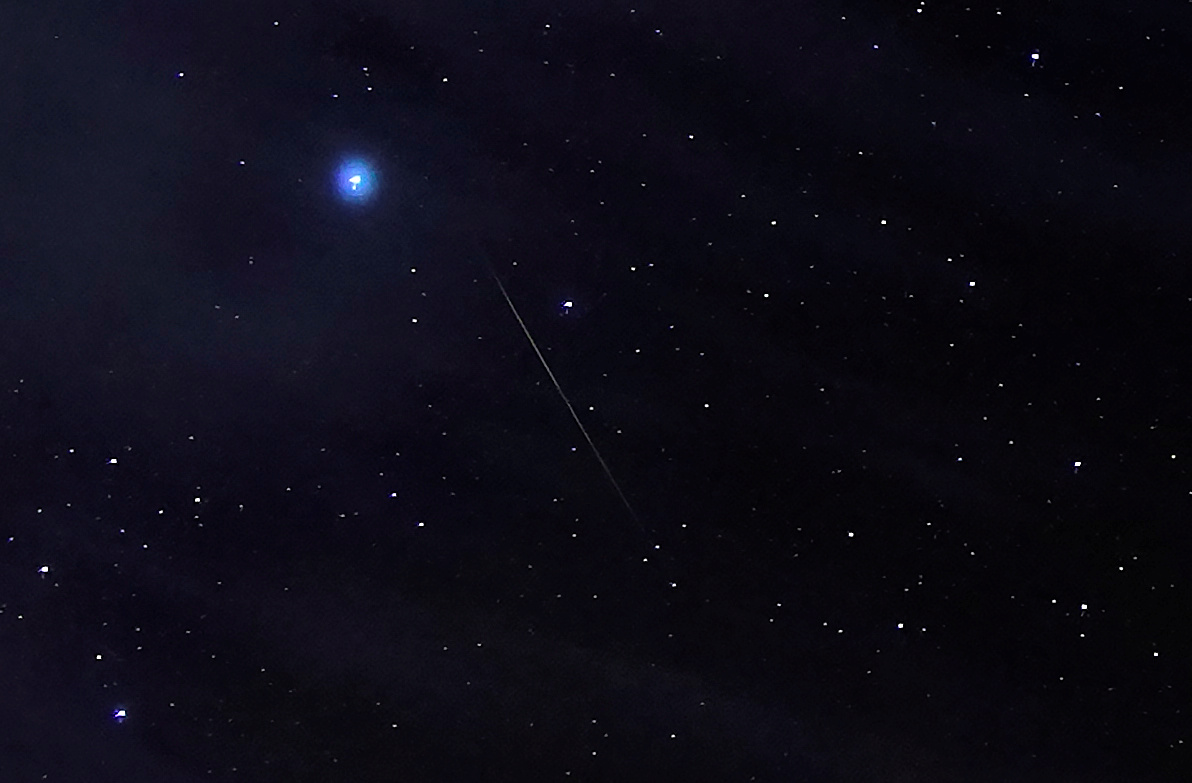
An annual meteor spectacle is peaking this week as Earth sweeps through a trail of cosmic crumbs left behind by Halley’s comet.
The Orionid, one of the two major meteor showers left by Halley, the most famous comet in the sky, will streak into Earth’s atmosphere at around 148,000 mph this week, and it will be possible for viewers to spot 20 meteors per hour in peak viewing conditions.
The celestial event, which occurs every October, is named after the constellation Orion and will be visible across the night sky without the need for any special equipment, according to NASA. Here’s what to know ahead of the Orionids’ 2026 appearance.
What is a meteor shower?
As Earth orbits the sun, it passes through trails of debris left behind by comets, and occasionally asteroids, several times a year. When these fast-moving specks of debris, mostly no bigger than grains of sand, hit Earth’s atmosphere, the collision with air molecules heats them until they vaporize. The glowing streak they leave behind is what we call a “shooting star.”
The Orionids come from Halley’s comet, which won’t be back in the inner solar system until 2061. It has left a stream of debris along its orbit, and Earth passes through that stream every October, which is why the Orionids return every year.
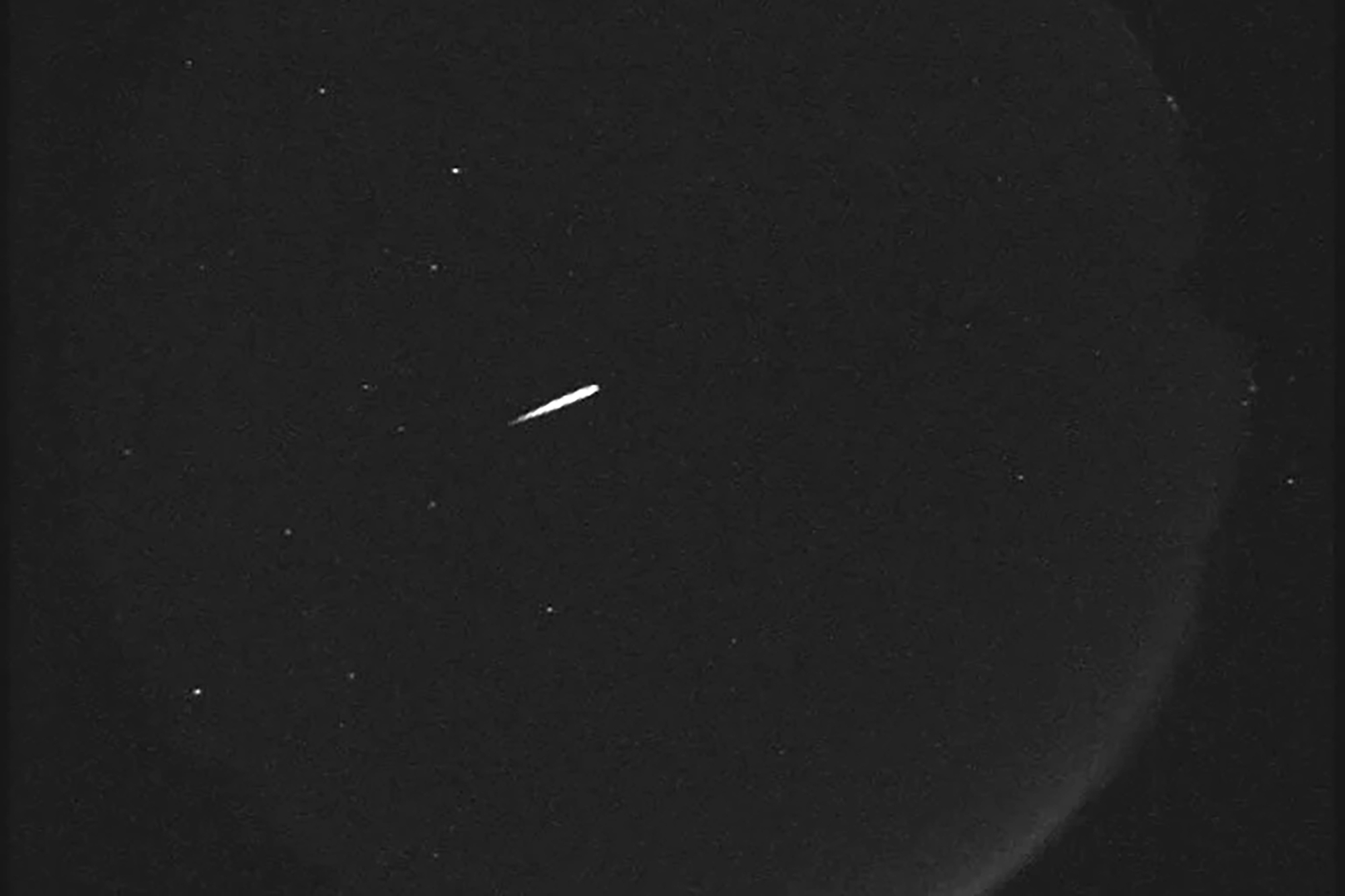
Why are they called the Orionids?
Meteor showers are named after the constellation they appear to come from, in this case Orion.
When to see the Orionid meteor shower
During the peak of the shower on Wednesday night into Thursday morning, it will be possible to see up to 20 meteors — the flash of light made when a speck of space debris burns up in Earth’s atmosphere —per hour in ideal viewing conditions, according to the American Meteor Society.
Where to see the meteor shower
The Orionids can be seen across the U.S., from every state, with ideal viewing conditions in the hours after midnight and before dawn.
The best views will come from dark spots away from city lights, and a bright moon will wash out fainter meteors until it sets late at night. Moonset times vary by location, so check a local forecast for the darkest window near you.
The shower is active from Oct. 2 to Nov. 7, according to the American Meteor Society, but the best viewing is around the peak.
How to watch it
You don’t need special equipment to see the meteor showers that flash across the sky annually, but it will help to find a spot far enough from city lights and other light pollution.
The best time to watch a meteor shower is typically after midnight, or in the early predawn hours, when there's usually less interference from moonlight.
Competing sources of light, such as a bright moon or artificial glow from lights on the ground, are the main obstacles to a clear view of meteors.
It’s worth being patient. As your eyes adjust to the dark, it might take time to see the shower clearly.
NASA’s Night Sky Network also posts a list of events for eager sky watchers looking to join a group of like-minded enthusiasts.
This article originally appeared on Yahoo News at https://www.yahoo.com/news/us/article/the-orionid-meteor-shower-peaks-tonight-when-and-where-to-see-halleys-comet-debris-112237113.htmlWhat's Your Reaction?
 Like
0
 Dislike
0
 Love
0
 Funny
0
 Wow
0
 Sad
0
 Angry
0





Comments (0)